
Professional Scissors Maintenance: Keep Your Tools Sharp and Reliable
Professional scissors are significant investments that can last decades with proper care. Learn the daily routines, cleaning methods, and maintenance practices that keep your scissors performing at their best.
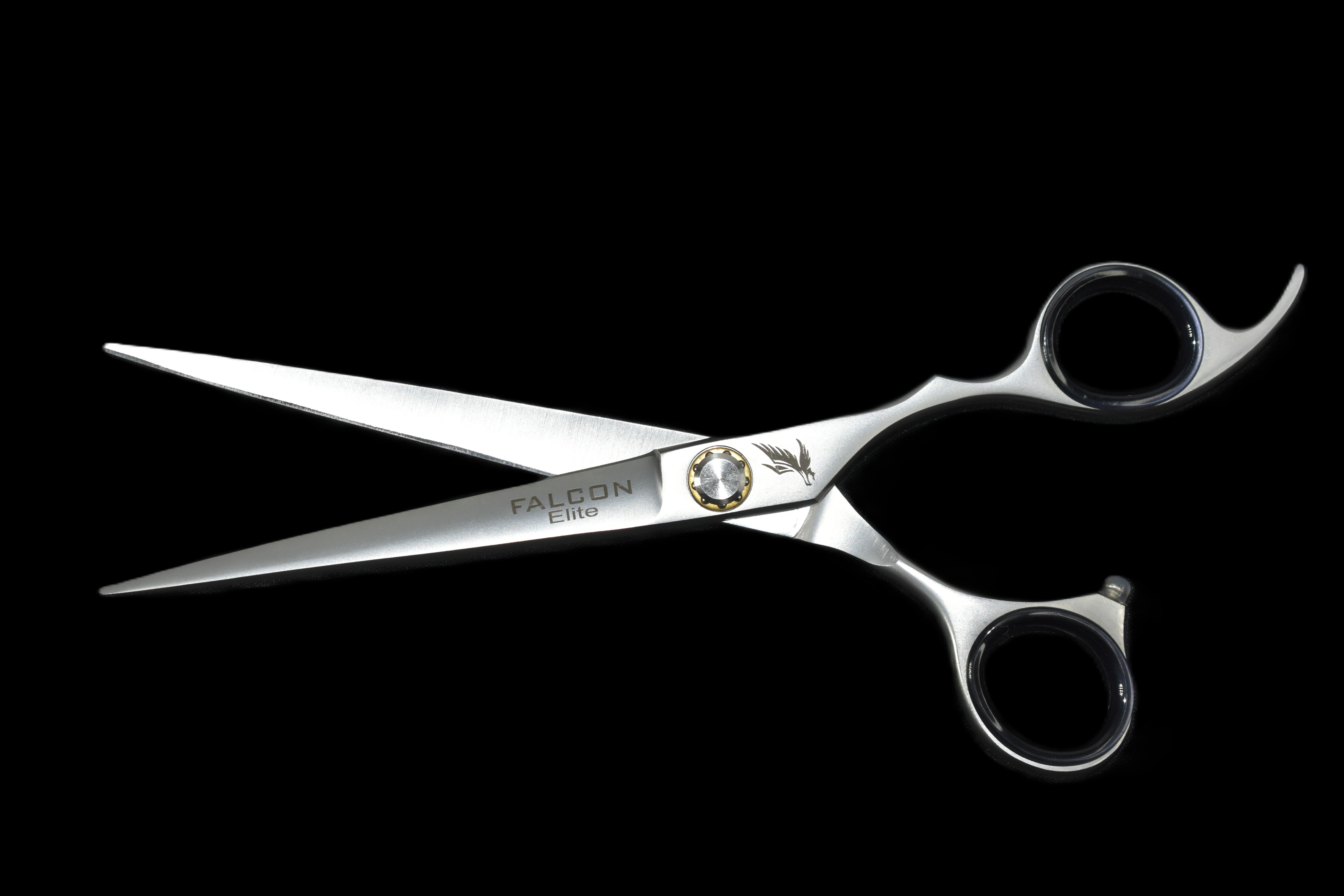
Why Maintenance Matters
Your scissors are precision instruments with incredibly tight tolerances. Even microscopic debris or a single drop of moisture in the wrong place can affect performance. Regular maintenance isn't just about keeping scissors clean—it's about preserving the precision engineering that makes them professional tools.
Well-maintained scissors cut effortlessly, last longer, and feel better in your hands. Poor maintenance leads to dull edges, rough action, and eventual costly repairs or replacement. The good news? Proper care takes just minutes a day.
Daily Maintenance Routine
Establishing a consistent daily routine protects your investment and ensures optimal performance. These simple steps should become as automatic as storing your scissors at day's end.
End-of-Day Checklist
1. Remove Hair and Debris
Use a soft brush or lint-free cloth to remove all hair clippings, product residue, and debris from the blades and pivot area. Pay special attention to the screw area where buildup commonly occurs.
2. Clean and Sanitize
Wipe blades with a disinfectant suitable for scissors. Avoid harsh chemicals that damage finishes or cause corrosion. After sanitizing, immediately dry completely with a clean cloth—never let scissors air dry.
3. Apply Scissor Oil
Place one drop of specialized scissor oil at the pivot point. Open and close scissors several times to distribute oil throughout the mechanism. Wipe away excess oil—too much attracts dirt.
4. Store Properly
Always store scissors in a protective case or pouch. Never leave them loose in drawers where they can bang against other tools or fall. Store in a dry environment away from excessive humidity.
Choosing the Right Cleaning Products
Not all cleaning products are safe for professional scissors. Using the wrong chemicals can permanently damage blades, loosen tension, or cause corrosion that ruins your tools.
Safe Disinfectants
Use disinfectants specifically formulated for professional scissors and shears. Barbicide, Clippercide, and similar professional products are designed to sanitize effectively without damaging metal or finishes. Follow manufacturer dilution instructions precisely.
What to Avoid
Never use these on professional scissors:
- Bleach or chlorine-based cleaners (causes corrosion)
- Acetone or harsh solvents (damages finishes and tension systems)
- Abrasive cleaners or pads (scratches blade surfaces)
- General-purpose household cleaners (inappropriate chemistry)
- Hot water or steam (can affect tension and blade alignment)
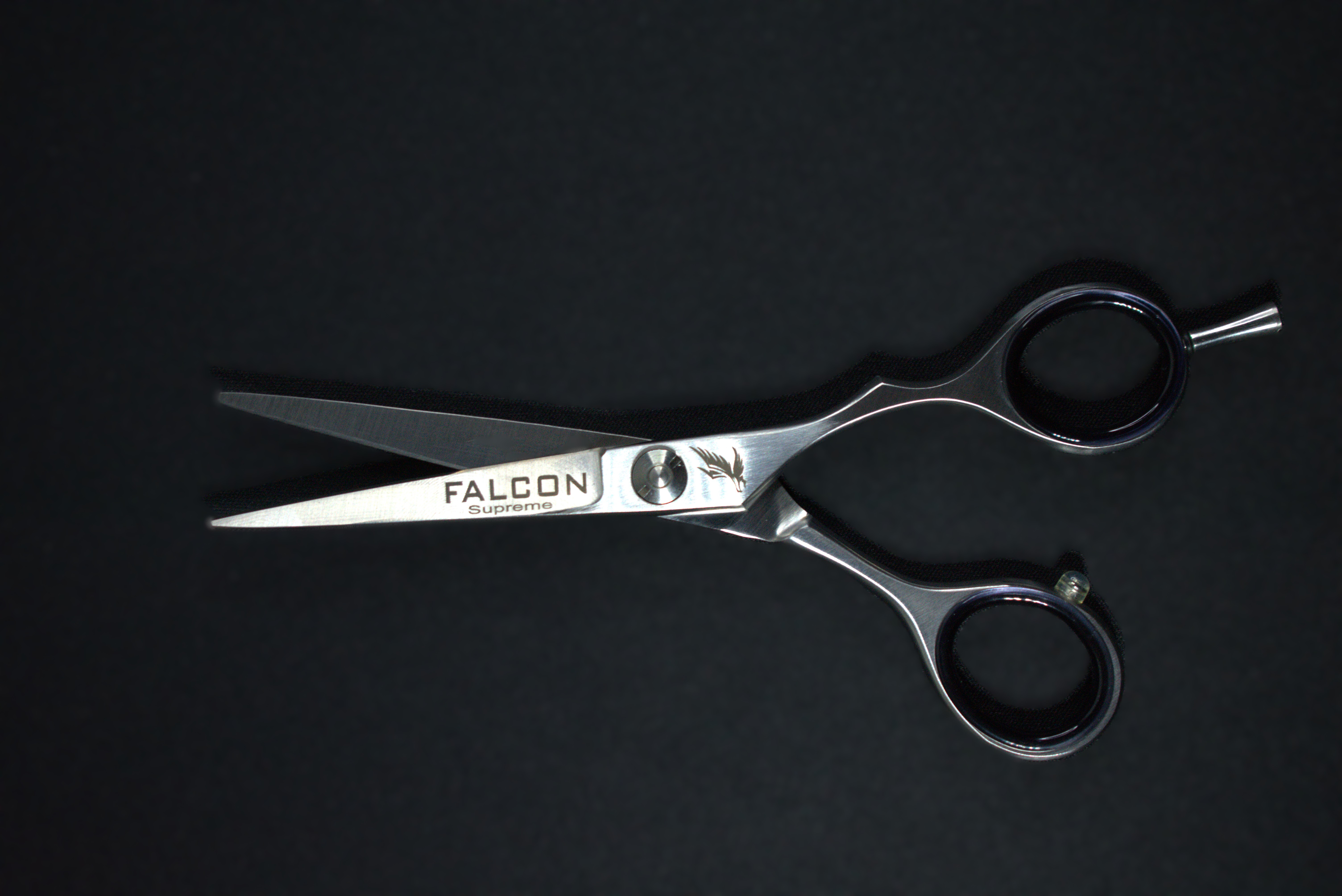
Weekly Deep Cleaning
Once weekly, perform a more thorough cleaning to remove accumulated oils, hair fragments, and product buildup that daily wiping misses. This keeps your scissors operating smoothly and prevents long-term problems.
Step 1: If your scissors have a removable tension screw, carefully separate the blades. Handle each blade gently to avoid damaging cutting edges.
Step 2: Clean all surfaces including the inside of blade holes and the tension screw threads. Use a soft brush to reach tight areas.
Step 3: Dry everything completely, then lightly oil all metal surfaces before reassembling. Don't overtighten the tension screw during reassembly.
Step 4: Test cutting action and adjust tension if necessary. Scissors should close smoothly on their own when opened to 45 degrees.
Tension Adjustment
Proper tension is crucial for optimal cutting performance. Too loose and scissors won't cut cleanly; too tight and they feel stiff and cause hand fatigue. Learning to adjust tension is an essential skill for every professional.
Testing Tension
Open scissors to 45 degrees and let go. They should close slowly and smoothly on their own, taking about 2-3 seconds. If they slam shut immediately, tension is too loose. If they don't move at all, it's too tight.
Adjusting Tension
Make very small adjustments—a quarter turn or less at a time. Test after each adjustment. Most professionals need to adjust tension every few weeks as screws naturally loosen with use. Some scissors have dial adjustments requiring no tools.
When to Seek Professional Sharpening
Even with perfect maintenance, scissors eventually need professional sharpening. Recognizing the signs early prevents poor cuts and protects your scissors from damage caused by forcing dull blades.
Signs You Need Sharpening
- Hair bends or folds instead of cutting cleanly
- You need to close scissors multiple times to complete cuts
- Increased hand fatigue from working harder
- Visible dullness or light reflecting off blade edges
- Rough or catching feeling when blades move
Important: Never use home sharpening tools, whetstones, or grinders on professional scissors. These tools lack the precision needed and will damage expensive blades. Always use professional sharpening services that specialize in scissors.
Most professionals sharpen scissors every 6-12 months depending on usage. Busy stylists might need more frequent service, while lower-volume users can go longer. Keep track of your last sharpening date and performance to establish your personal schedule.
Common Maintenance Mistakes
Over-oiling
More oil isn't better. Excess oil attracts hair and debris, creating sticky buildup that impairs performance. One drop at the pivot point is sufficient.
Using WD-40 or General Oils
WD-40 is a solvent, not a lubricant, and evaporates quickly. Use only oil specifically designed for scissors and shears. These specialized oils have the right viscosity and don't gum up mechanisms.
Leaving Scissors Wet
Even stainless steel can develop corrosion spots if left wet. Always dry scissors immediately after cleaning or sanitizing. Water trapped in pivot areas is particularly problematic.
Ignoring Tension Changes
Tension screws loosen with normal use. If your scissors feel different, check tension immediately. Operating scissors with improper tension accelerates wear and affects cut quality.
Long-Term Storage
If storing scissors for extended periods, take extra precautions. Clean and dry thoroughly, apply a thin coat of oil to all metal surfaces, and store in a climate-controlled environment. Check periodically and re-oil if necessary. Scissors properly stored can sit unused for years without deterioration.
Building Good Habits
Great maintenance becomes effortless when it's routine. Spend a few minutes at day's end caring for your scissors, and they'll reward you with years of flawless performance. Remember that a $500 scissor with perfect maintenance outperforms a $2000 scissor that's neglected.
Your scissors are the tools of your craft. Treat them with respect, maintain them properly, and they'll be reliable partners throughout your professional career.
Invest in Quality Worth Maintaining
Falcon Tools scissors are built to last with proper care. Discover our collection of professional-grade scissors.