
Understanding Steel Quality and Hardness Ratings in Professional Scissors
The steel used in professional scissors determines their sharpness, edge retention, and overall performance. Learn why Japanese stainless steel is preferred worldwide and what hardness ratings really mean for your work.
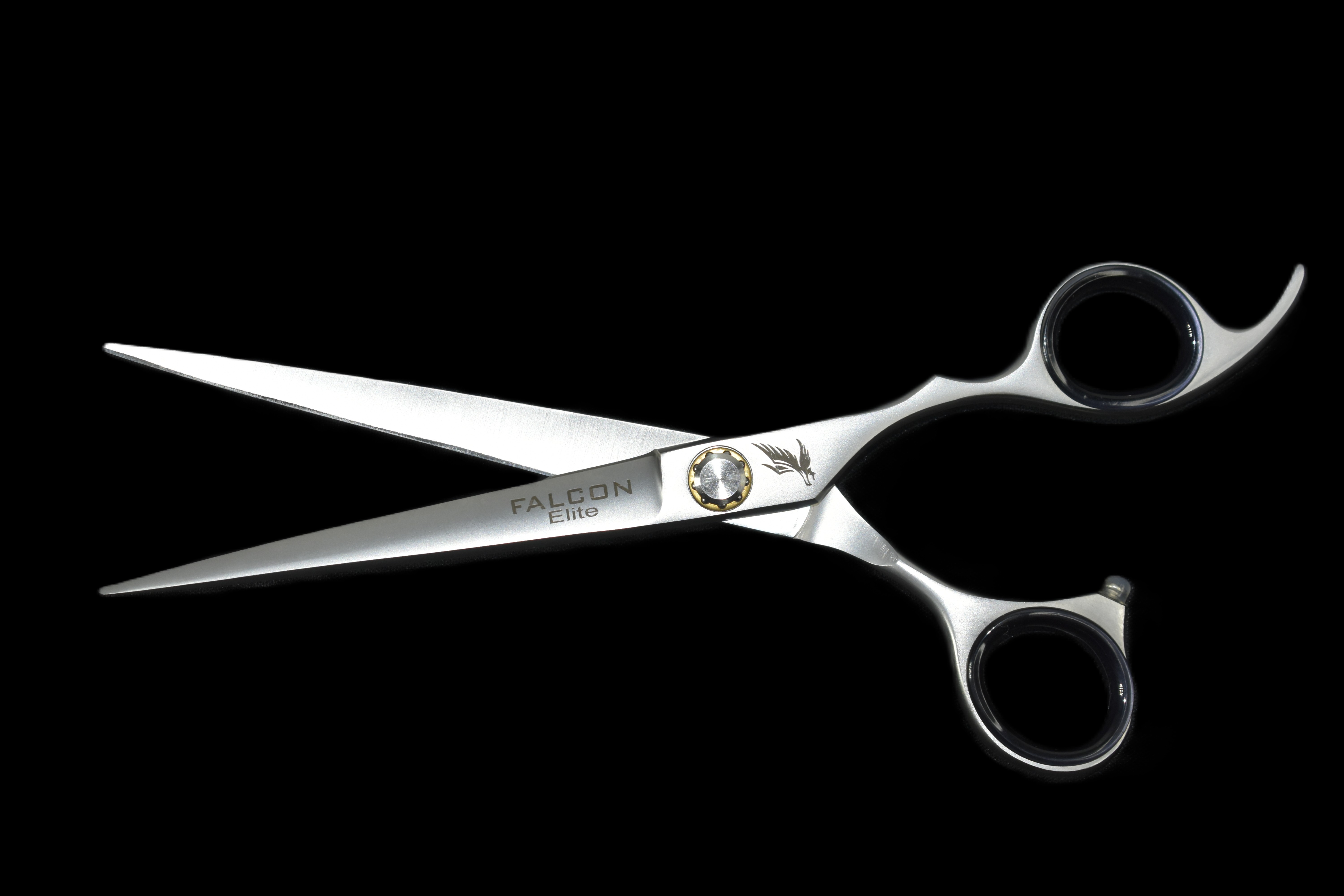
Why Steel Quality Matters
The foundation of any professional scissor is its steel. This isn't just marketing language—the metallurgy directly impacts how sharp your scissors get, how long they stay sharp, and how they feel when cutting. Understanding steel helps you make informed decisions and avoid disappointing purchases.
Professional scissors require steel that's hard enough to maintain a sharp edge but not so brittle that it chips easily. They need corrosion resistance for daily sanitization and the right balance of properties to deliver smooth, effortless cutting action day after day.
Japanese Stainless Steel: The Professional Standard
Japanese steel has earned its reputation through centuries of metallurgical expertise. The country's swordmaking heritage evolved into modern precision manufacturing, creating steel alloys specifically engineered for cutting tools.
Why Professionals Choose Japanese Steel
Japanese manufacturers developed specialized stainless steel grades that resist corrosion while maintaining exceptional hardness and edge retention. These alloys undergo precise heat treatment processes that create optimal crystalline structures for cutting performance.
The result is steel that sharpens to incredibly fine edges, maintains those edges longer than other materials, and provides the smooth cutting feel professionals demand. This is why premium scissors from every country often use Japanese steel—it simply performs better.
Common Professional Steel Grades
J2 420 Stainless Steel
This is the workhorse of professional scissors. J2 420 offers excellent corrosion resistance, good edge retention, and reasonable cost. It's the steel of choice for reliable mid-range professional tools that deliver consistent performance for years.
Best for: Daily professional use, busy salons, excellent value
440C Stainless Steel
A premium grade steel with superior hardness and edge retention. 440C takes an exceptionally sharp edge and maintains it longer than softer alloys. This is the choice for professionals who demand the best performance and are willing to invest in premium tools.
Best for: Advanced professionals, high-volume work, extended edge life
VG10 and ATS-314
These are elite steel alloys used in premium scissors. They offer the perfect balance of hardness, flexibility, and edge retention. While expensive, they represent the pinnacle of scissor steel technology—tools that last decades with proper care.
Best for: Master craftspeople, competition work, collectors
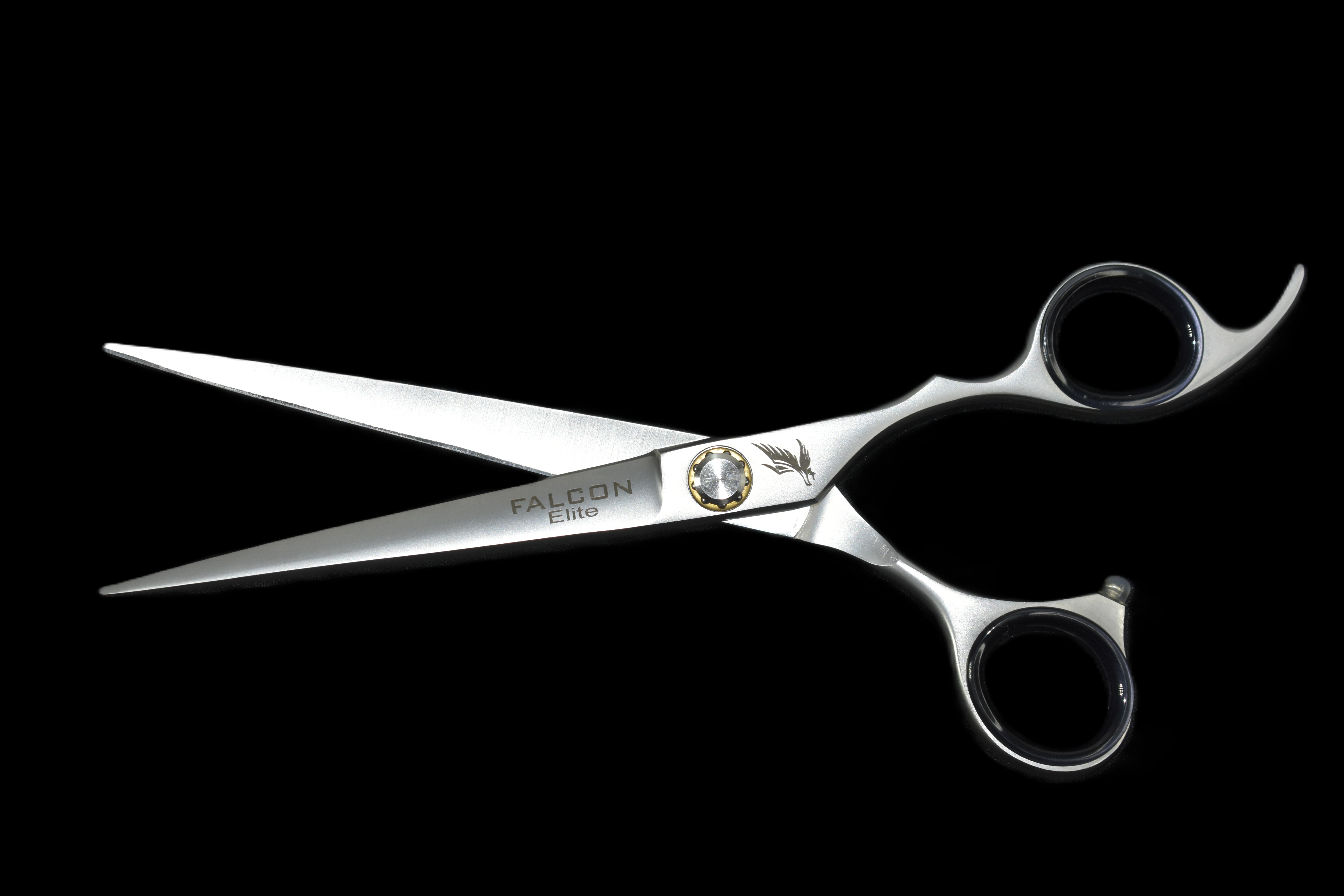
Understanding Hardness Ratings (HRC)
The Rockwell Hardness Scale (HRC) measures how hard steel is. For scissors, this number tells you a lot about performance characteristics. However, harder isn't always better—the right hardness depends on your specific needs.
HRC Ratings Explained
52-54 HRC: Entry Professional
Suitable for basic professional work and training purposes. These scissors sharpen easily and are forgiving of technique mistakes, but require more frequent sharpening. Good for students and backup tools.
54-56 HRC: Standard Professional (Recommended)
The sweet spot for most professionals. This range provides excellent edge retention, good sharpness, and reasonable durability. Sharp enough for all professional techniques while remaining forgiving enough for daily use.
58-60 HRC: Premium Professional
Very hard steel that maintains incredibly sharp edges for extended periods. Requires professional sharpening and careful handling but delivers exceptional performance. Ideal for skilled professionals who appreciate refined tools.
60+ HRC: Elite/Master Grade
Extremely hard steel for specialized applications. These scissors require expert care and professional sharpening but offer unmatched edge retention and cutting performance. Not for beginners—these are tools for masters.
The Hardness Trade-Off
While harder steel holds edges longer, it also becomes more brittle and difficult to sharpen. Very hard scissors can chip if dropped or used improperly. They also require specialized sharpening equipment that not all services have.
For most professionals, scissors in the 54-58 HRC range offer the best balance. They're hard enough for excellent performance but not so hard that they're fragile or difficult to maintain. This is why many top manufacturers target this range for their professional lines.
Other Important Steel Properties
Corrosion Resistance
Professional scissors must withstand daily cleaning and disinfection without rusting or pitting. Quality stainless steel alloys contain chromium and other elements that create a protective oxide layer, preventing corrosion even with frequent sanitization.
Edge Retention
This describes how long scissors stay sharp between sharpenings. Better steel with proper heat treatment maintains its edge through thousands of cuts. Premium scissors might go 6-12 months between sharpenings in professional use, while lower-quality tools need attention every few weeks.
Toughness vs. Hardness
Toughness and hardness aren't the same. Tough steel resists chipping and damage, while hard steel holds edges well. The best scissor steel balances both properties—hard enough for sharpness, tough enough for durability.
How to Verify Steel Quality
- ✓Check Specifications: Reputable manufacturers clearly state steel grade and hardness rating
- ✓Weight Feel: Quality steel has appropriate weight—too light suggests inferior materials
- ✓Finish Quality: Premium steel shows excellent finishing with smooth, even surfaces
- ✓Brand Reputation: Established manufacturers stake their reputation on steel quality
- ✓Price Reality: Premium steel costs more—suspiciously cheap scissors likely use inferior materials
Making Your Steel Choice
Understanding steel helps you invest wisely in tools that match your needs. For most professionals, scissors made from quality Japanese stainless steel in the 54-56 HRC range provide outstanding performance at reasonable prices.
As your skills develop and you discover your preferences, you might explore harder steels for their exceptional edge retention. But remember—the best scissors are the ones you can maintain properly and that feel right in your hands.
Experience Premium Japanese Steel
Falcon Tools scissors are crafted from high-quality Japanese stainless steel with exceptional hardness ratings.